This article is written by Toru Hoshino, a jazz bassist and instructor based in Japan who teaches online lessons to students worldwide. In this article, he breaks down the bass line approach for “The Girl from Ipanema” and other bossa nova tunes commonly played at sessions.
This is a tune that comes up constantly at sessions, so it’s well worth having in your back pocket.
Contents
“The Girl from Ipanema” — Bass Line
Here’s a run-through.
Characteristics of the Bass Line
Mostly Root and 5th
Unlike a walking bass line, bossa nova bass lines don’t lean much on passing tones or tensions. The foundation is mostly just the root and the 5th.
The Bossa Nova Rhythm
The drum rhythm looks like this:
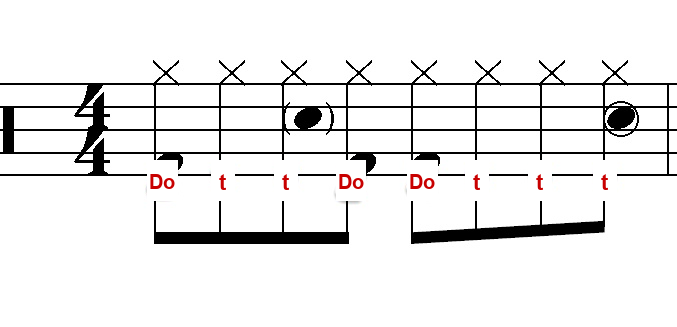
“Do-t-t-Do / Do-t-t-t” per bar — a steady, repeating rhythm that the bass locks into.
Bossa Nova Drums and Bass Together
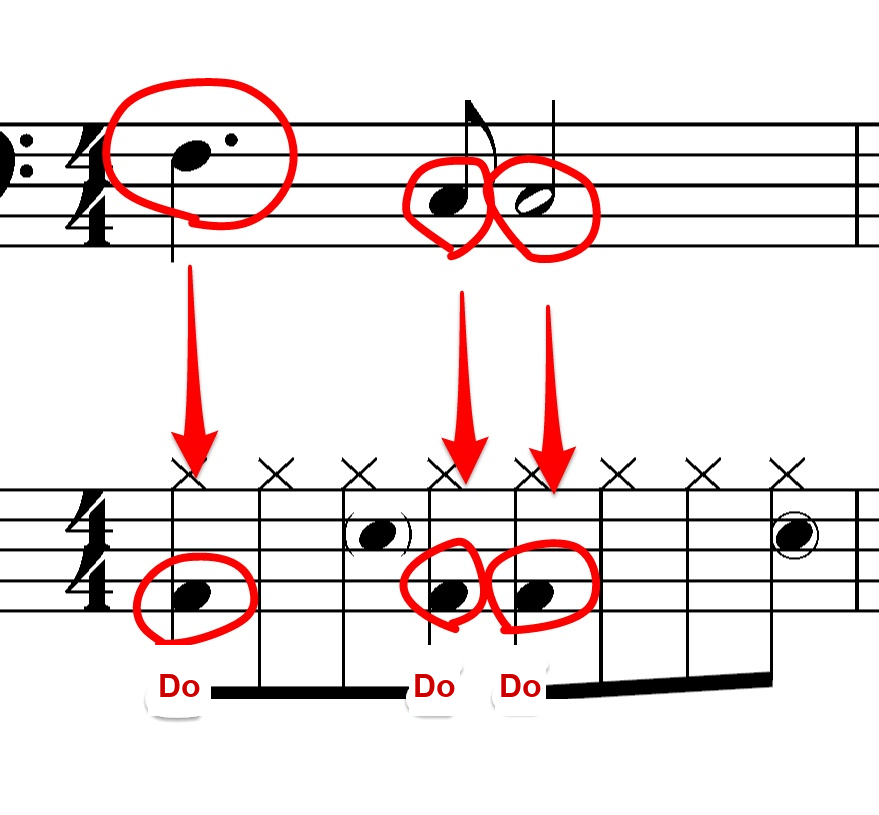
Do-t-t-Do / Do-t-t-t (one bar)
F– –F / C– – – (one bar)
1– –1 / 5– – – (one bar)
That’s the feel you’re going for. Start by being able to sing the rhythm out loud before you try playing it.
Be Conscious of the Difference Between Swing and Bossa Nova Rhythm
Bossa nova tunes come up a lot at sessions. The chord changes tend to be just as improv-friendly as straight-ahead jazz, and plenty of these tunes work great with a sax or piano out front.
That said, the way you play bass — and the rhythmic feel you should be locking into — is genuinely different between jazz and bossa nova.
The Rhythmic Difference Between Jazz and Bossa Nova Drums
Here’s a “jazz-style swing” feel.
Now with a swing-style bass line laid on top:
And here’s a tight, “bossa nova-style” rhythm.
Now laying a similar line on top of that:
How does that sound? Not exactly wrong, but…
Compared to the jazz feel, it has a noticeably tighter, more locked-in character. Something more like this tends to fit better:
Playing the attacks at consistent, even intervals like this makes up for the absence of drums and helps lock in the time feel.
Simple Is Best — Focus on Locking the Rhythm In
A bass line built from just root and 5th might feel almost too simple, but the simpler a bass line is, the harder it actually is to play it with zero unevenness.
I was often told myself: “before you go adding flashy little fills, make sure you’re nailing the root and holding the time down.”
Even with simple note choices, when the bass and drums are genuinely locked together, it feels great for everyone else in the band to play over.
Start by getting comfortable with a simple line built from just the root and the 5th.
Bossa Nova Tunes I’ve Played a Lot at Sessions This Past Year
Blue Bossa
Black Orpheus
The Girl from Ipanema
Fly Me to the Moon
Here’s That Rainy Day
How Insensitive
One Note Samba
The Shadow of Your Smile
Wave
Corcovado
Água de Beber
O Grande Amor
Desafinado
I’ve also played tunes like these as bossa nova arrangements:
Candy
Come Rain or Come Shine
Days of Wine and Roses
I Remember You
What a Difference a Day Made
Over the Rainbow
What Is Bossa Nova?
It’s a genre distinct from jazz, with a smooth, stylish sound that you’ll hear constantly in cafés. Here’s some background, summarized from Wikipedia:
Pinning down exactly when your attack lands against the rhythm is something you really need a second set of ears for — that’s exactly where a teacher’s feedback makes the biggest difference.
Want Personalized Feedback on Your Playing?
This is exactly the kind of thing that’s hard to fix alone — and where having a teacher makes all the difference.
At Line on Bass, I offer an online lesson service where you send me a video of your playing, and I give you specific, detailed feedback — every single day if you want.
Students from around the world are using this to fix exactly these kinds of issues and steadily improve their jazz bass skills.