This article is written by Toru Hoshino, a jazz bassist and instructor based in Japan who teaches online lessons to students worldwide. In this article, he answers a question about how to keep pentatonic licks from sounding like a nursery rhyme.
Today’s question:
“How do I keep my pentatonic improvising from sounding like a children’s song?”
Pentatonic scales get talked about constantly, but depending on how you use them, they really can end up sounding like a simple folk tune or nursery rhyme.
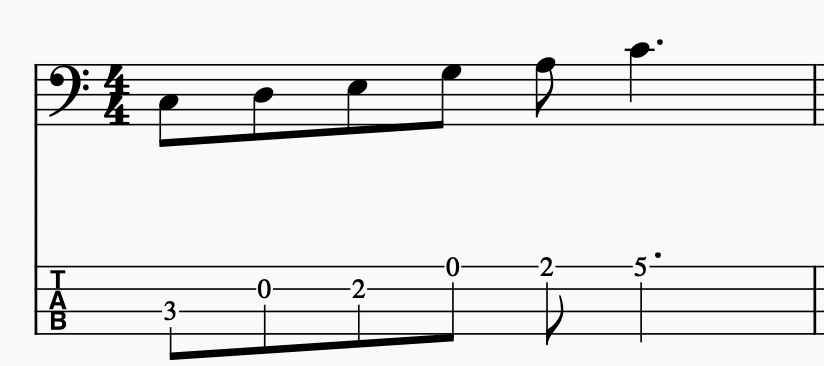
For example, take a C major pentatonic scale and play it like this:
C-D-E-G-A-C (3rd string, 3rd fret up to 1st string, 5th fret)
C-A-G-E-D-C (1st string, 5th fret down to 3rd string, 3rd fret)
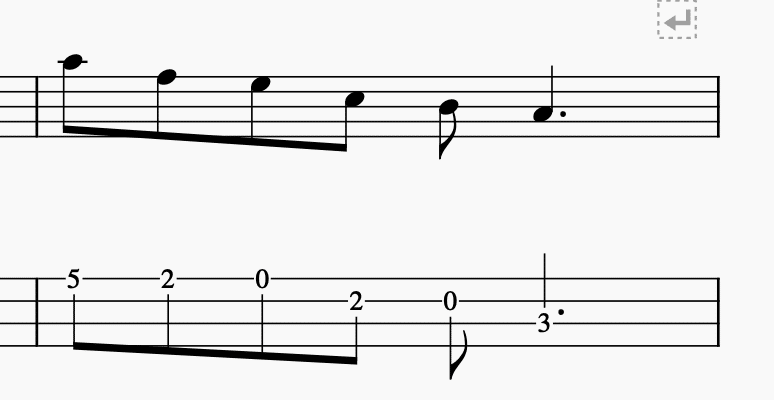
Try playing it straight up and down like that, with a bit of a bounce. Doesn’t it start to sound a little like a folk tune or nursery rhyme?
That’s not a coincidence — the five-note pentatonic scale really is heavily used in folk music and children’s songs, so it’s natural that it comes across that way.
That said, when you hear a great player use a pentatonic scale, it sounds completely different — genuinely cool. So with that in mind, here are three ways to dress up your pentatonic playing so it doesn’t sound naive.
Contents
How to Keep Pentatonic Licks From Sounding Like a Nursery Rhyme
1. Don’t treat the root as your anchor point
2. Start and land phrases on the 3rd or 5th
3. Work in the ♭7th or minor 3rd
1. Don’t Treat the Root as Your Anchor Point
In a C major pentatonic scale, you’ve got five notes: C-D-E-G-A.
The “straight up, straight down” patterns from earlier — C-D-E-G-A-C and C-A-G-E-D-C — both treat C, the root, as the anchor the phrase is built around.
Simply not anchoring your phrase around the root already goes a long way toward losing that nursery-rhyme quality.
So what should you do instead? Let’s get specific.
2. Start and Land Phrases on the 3rd or 5th
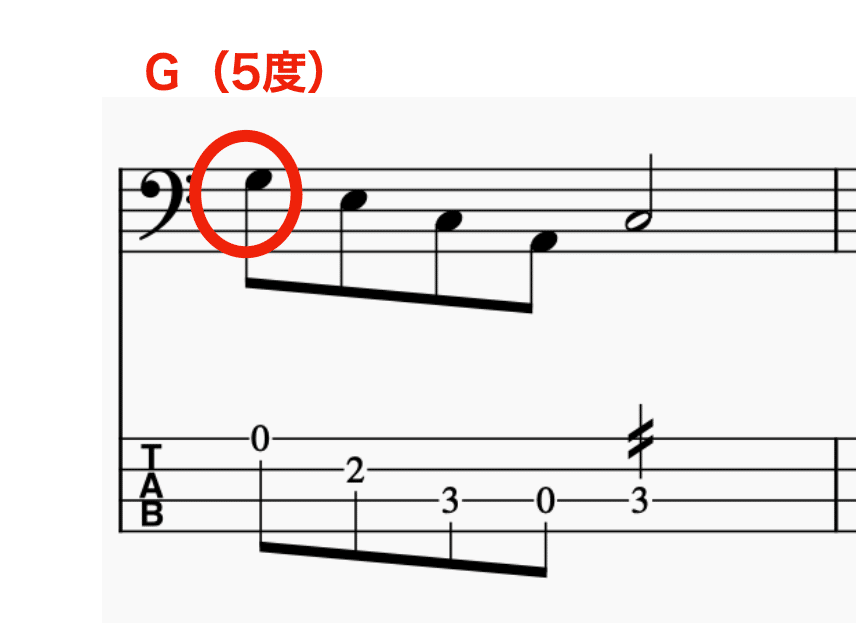
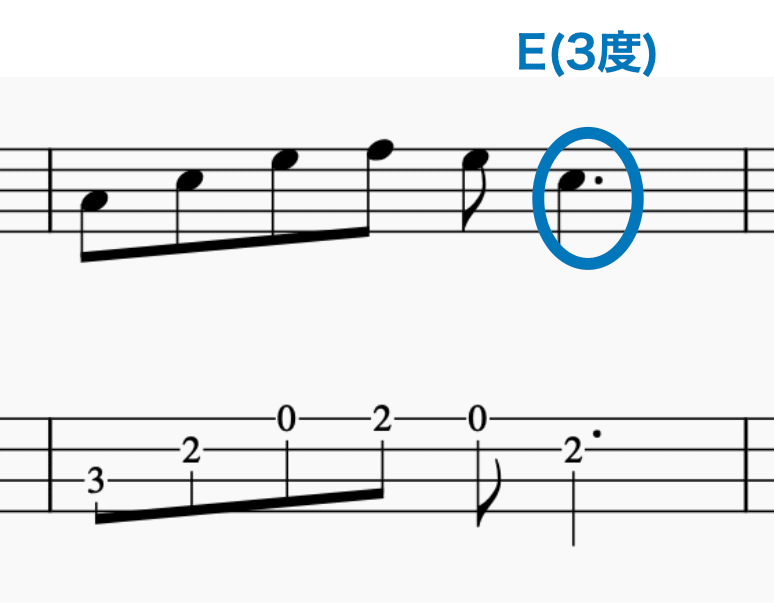
Starting and ending your phrases on the scale’s 3rd or 5th (rather than the root) tends to sound better. For example:
G-E-C-A-C… (starting the phrase on the 5th, G)
C-E-G-A-G-E… (ending the phrase on the 3rd, E)
E-G-C-D-C-A-G… (starting on the 3rd, ending on the 5th)
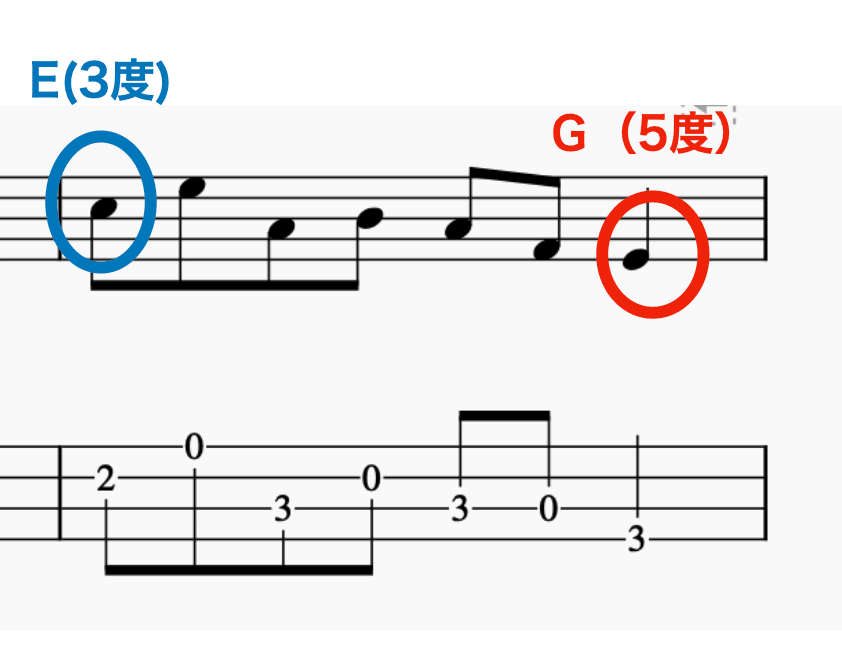
Shaping your phrases this way takes them even further from that simple, naive sound.
3. Work in the ♭7th or Minor 3rd
This one’s a slightly more advanced technique, but working in the ♭7th or minor 3rd makes your pentatonic playing sound noticeably cooler right away.
This particular technique is a bit much to fully explain in text, so this is one case where a demonstration genuinely helps — it’s the kind of thing that’s much easier to grasp by ear once you hear exactly what those added notes do to the line.
Used well, this technique can shift the whole character of your pentatonic playing — from something that leans folk and nursery-rhyme-like, toward something that sounds more like blues or country. It’s a great way to make pentatonic playing sound genuinely cool.
Hopefully this gives you some useful ideas for keeping your pentatonic playing from sounding too simple.
Hearing exactly when a phrase tips into “nursery rhyme” territory takes a trained ear — and that’s exactly the kind of thing a teacher can flag immediately in your own playing.
Want Personalized Feedback on Your Playing?
This is exactly the kind of thing that’s hard to fix alone — and where having a teacher makes all the difference.
At Line on Bass, I offer an online lesson service where you send me a video of your playing, and I give you specific, detailed feedback — every single day if you want.
Students from around the world are using this to fix exactly these kinds of issues and steadily improve their jazz bass skills.