This article is written by Toru Hoshino, a jazz bassist and instructor based in Japan who teaches online lessons to students worldwide. In this article, he shares the habits he relies on for carrying an upright bass around a big city by train.
A question came up recently in my online community from someone living outside of a major city:
“How do you actually move a double bass around when you’re getting around a big city?”
I live in Tokyo and mostly get around by train, and thinking about it, there’s actually quite a bit I pay attention to. Here are the five things I consider most important.
Contents
5 Things I Do When Moving Around the City With an Upright Bass
1. A Dedicated Wheel Cart Is Non-Negotiable
Carrying an upright bass on just the case strap alone is brutal. I use a dedicated wheel attachment, sometimes called a “bass buggy.”
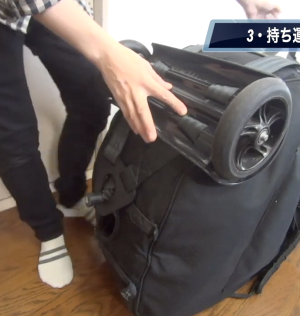
It’s a bit of an investment, but the wheels are very sturdy — if you’re doing a lot of walking, this is essential.
2. Always Take the Elevator
Carrying an upright bass up and down stairs is genuinely rough, so I always use the elevator at any station that has one.
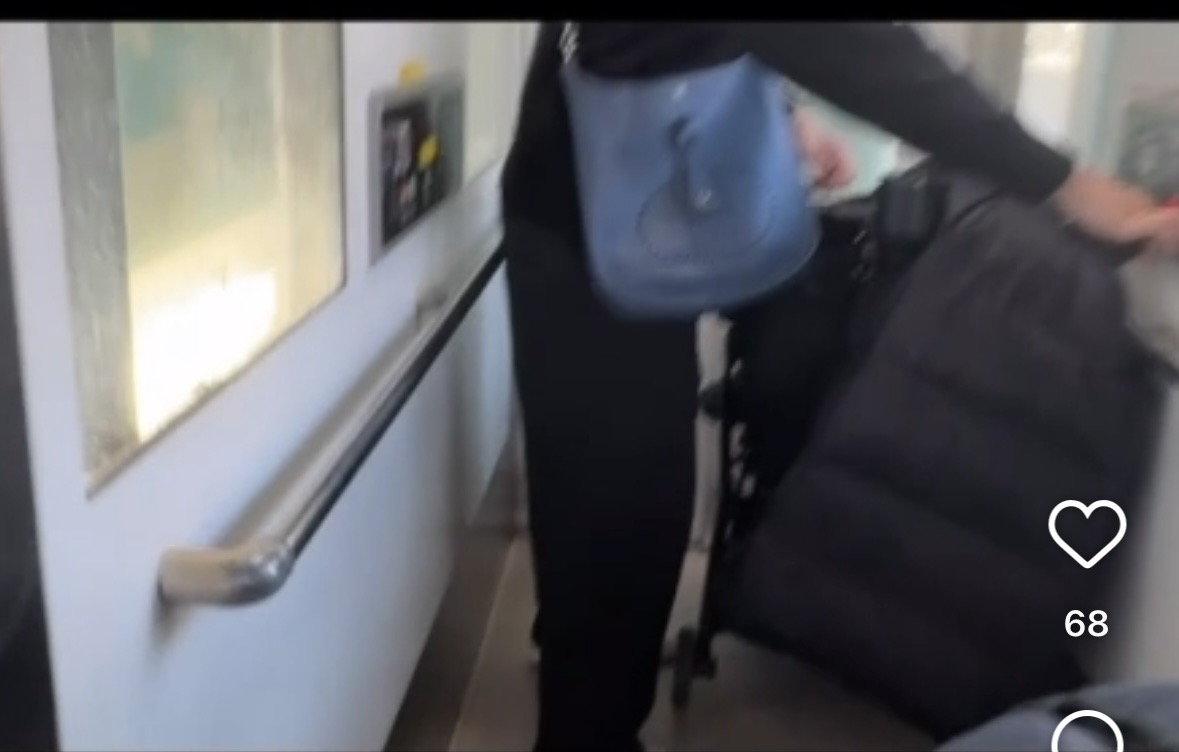
3. Pick the Wider Ticket Gate
If the gate is narrow, the wheels can clip the edges, so I always go through the wider gate.
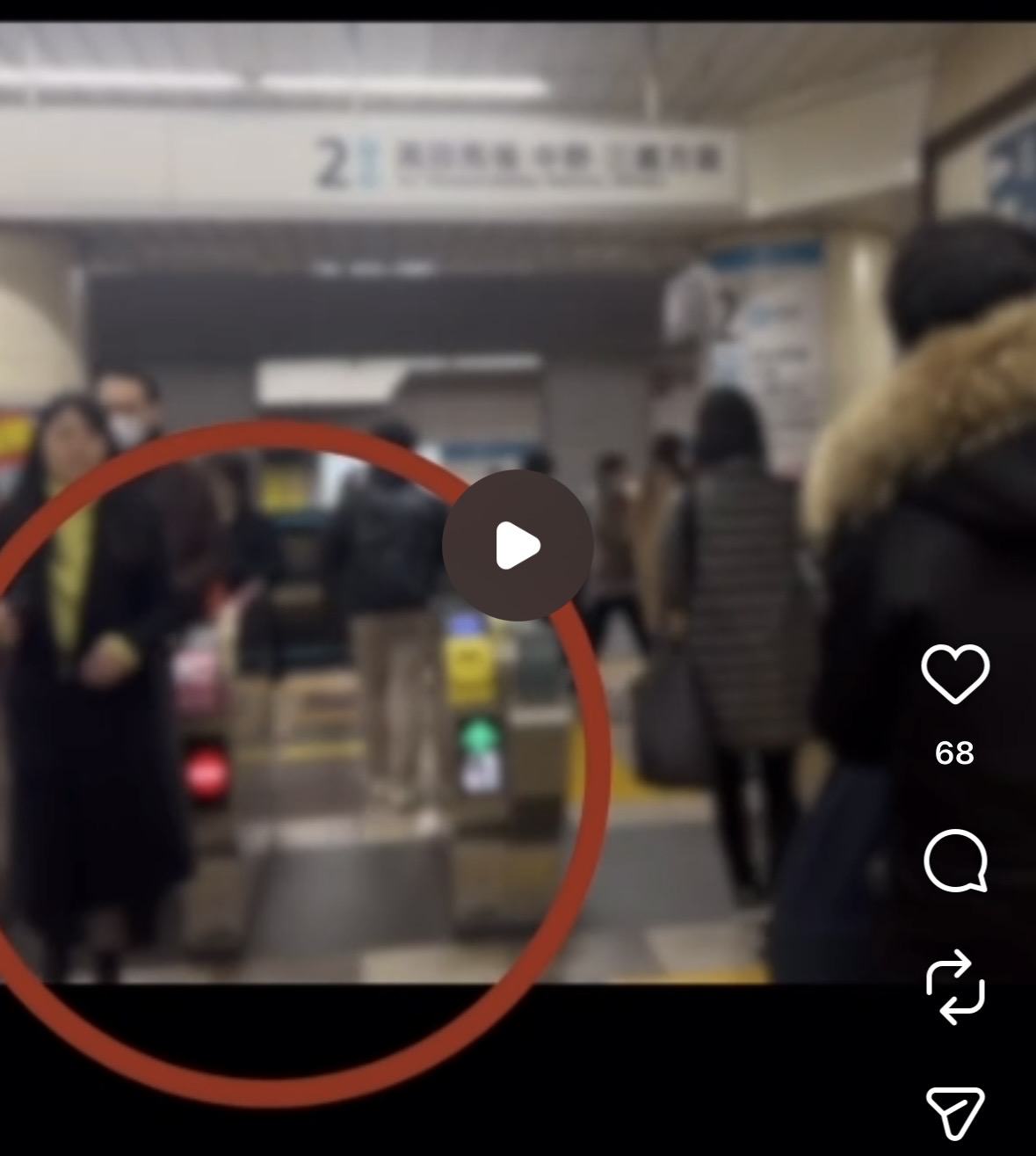
4. Stand in the Corner Near the Doors
On the train, I aim for the corner spot next to the seats near the doors. Even if the train isn’t crowded, I generally stay standing rather than sitting.
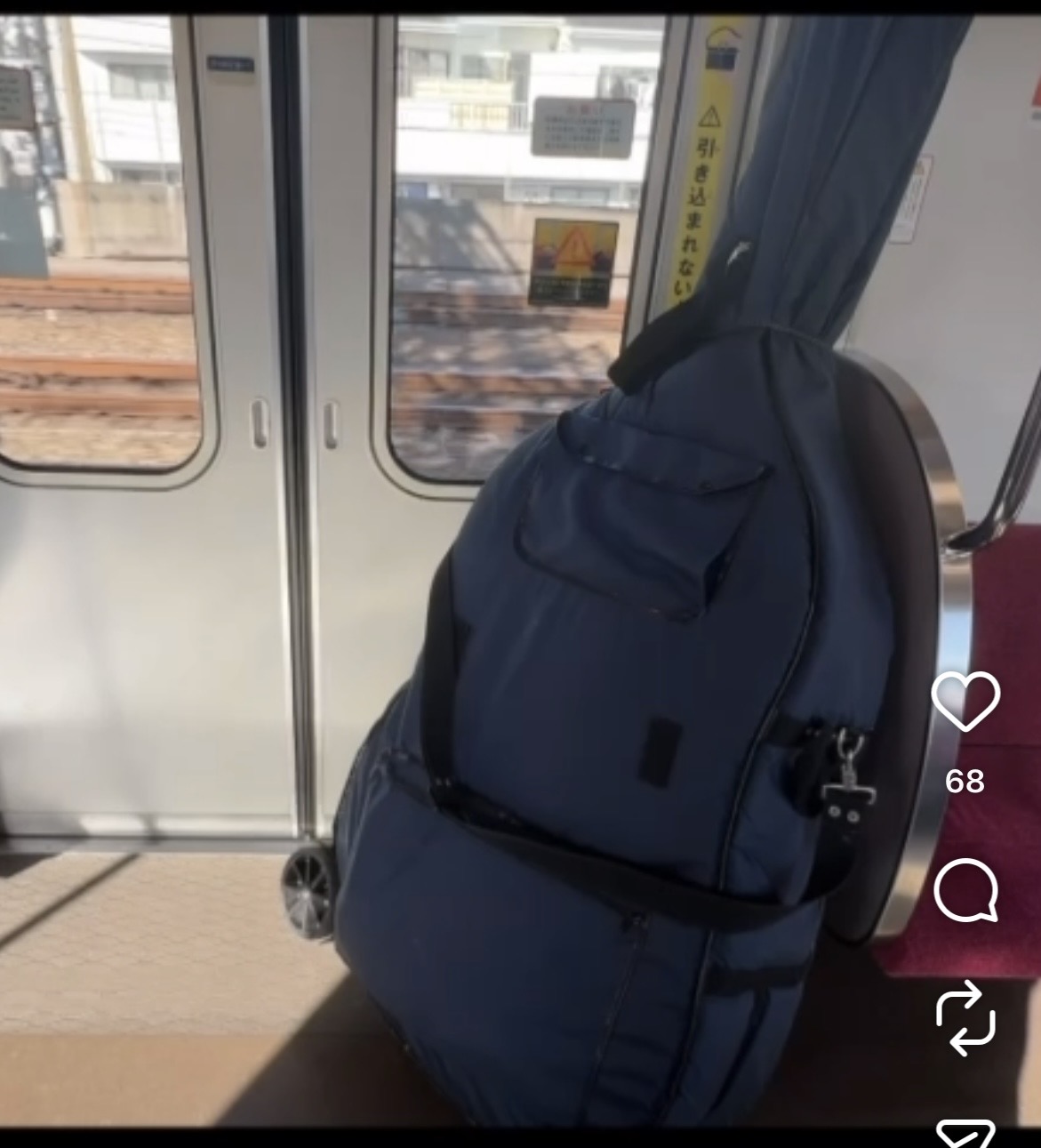
5. Avoid Crowds and Rush Hour
I try to travel at times when it’s not too crowded whenever I can.
Hauling an upright bass through a city is hard enough on its own — having a teacher who can see your actual playing despite the logistics is exactly where Line on Bass comes in.
Want Personalized Feedback on Your Playing?
This is exactly the kind of thing that’s hard to fix alone — and where having a teacher makes all the difference.
At Line on Bass, I offer an online lesson service where you send me a video of your playing, and I give you specific, detailed feedback — every single day if you want.
Students from around the world are using this to fix exactly these kinds of issues and steadily improve their jazz bass skills.