This article is written by Toru Hoshino, a jazz bassist and instructor based in Japan who teaches online lessons to students worldwide. In this article, he answers a common walking bass question: is it okay to play the 3rd below the root?
This is a question I get often when students are building walking bass lines:
“Is it okay to use the 3rd in a range below the root?”
Say you’ve got a C chord and you’re using the major 3rd, E. Most of the time, people default to using it above the root — for example, going from C on the 3rd string/3rd fret up to E on the 2nd string/2nd fret, as in the image below.
Example 1
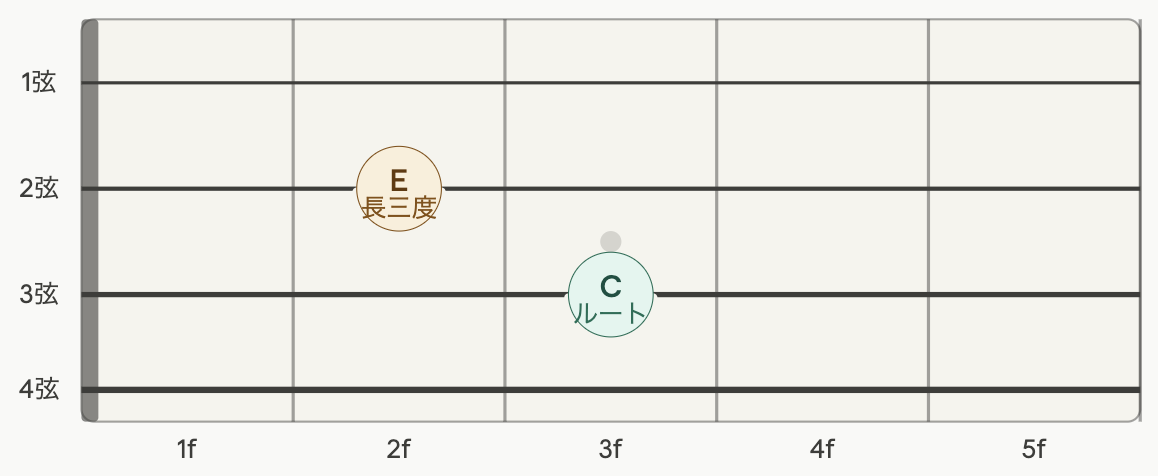
But —
can you use the E an octave lower as your 3rd instead?
This is a question I get asked constantly.
Short answer: absolutely.
As a chord tone, there’s nothing wrong with using an E below the root, as shown here:
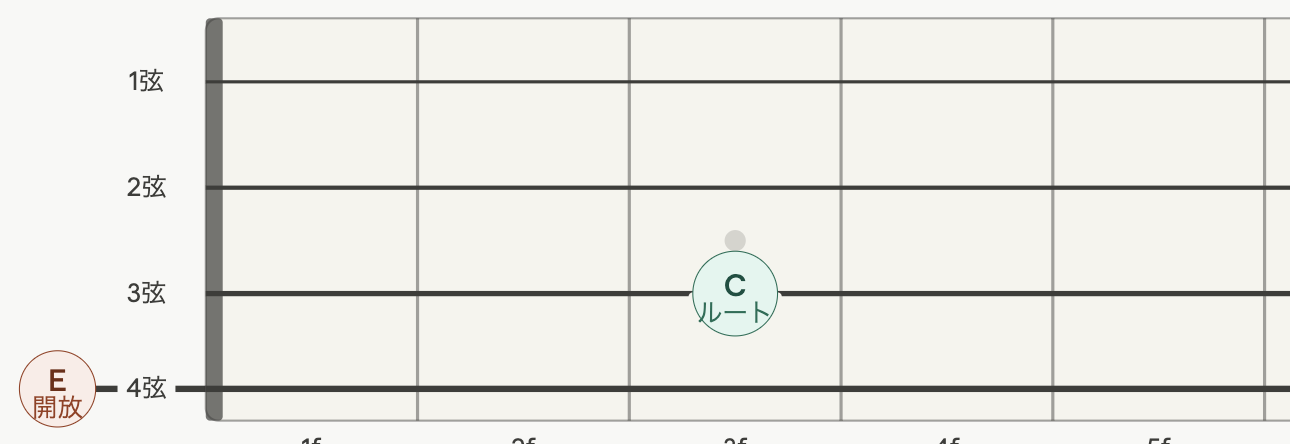
That said, it does change the character of the sound.
• Using the 3rd above the root → brighter, more open sound.
• Using the 3rd below the root → calmer, heavier sound.
This isn’t unique to the 3rd, either — the same idea applies to other chord tones, like the 5th. Having both the upper and lower option available gives your lines a lot more range to work with.
As for which one to use, I’d base it on how easy it is to finger and how the line flows. Pick whichever one keeps your left hand moving efficiently, and the line tends to come together more naturally.
Choices like “above or below the root” are easy to get stuck overthinking on your own — a teacher can usually tell you in seconds which one fits the line better.
Want Personalized Feedback on Your Playing?
This is exactly the kind of thing that’s hard to fix alone — and where having a teacher makes all the difference.
At Line on Bass, I offer an online lesson service where you send me a video of your playing, and I give you specific, detailed feedback — every single day if you want.
Students from around the world are using this to fix exactly these kinds of issues and steadily improve their jazz bass skills.